
 Juliana — Sales & GTM expert
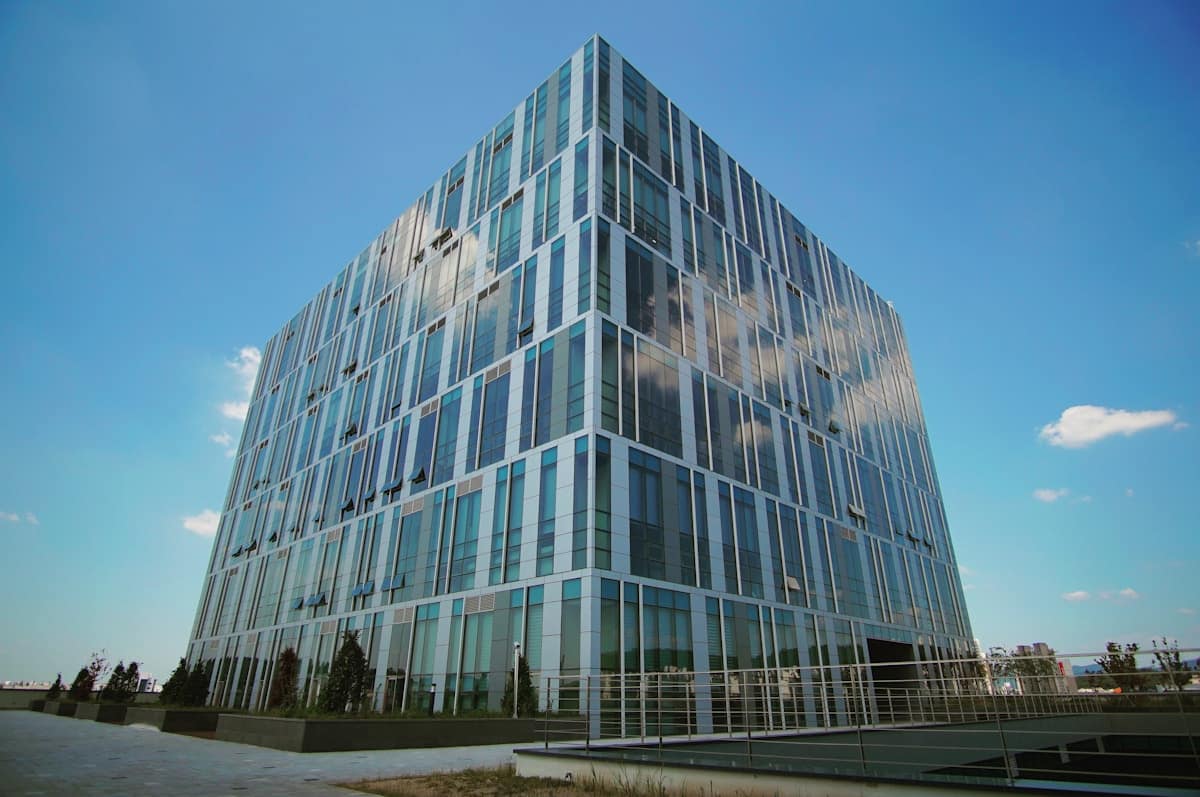
Asana's global headquarters is at 633 Folsom Street, San Francisco, California 94107. Founded in 2008 by Dustin Moskovitz and Justin Rosenstein, Asana has grown from a single SF office into a multi-continent operation with regional hubs across North America, Europe, and Asia-Pacific. If you're prospecting into the project management software space — whether you're selling to Asana itself or targeting companies that use Asana as part of their workflow stack — knowing where they operate and how they're structured is the starting point.
- Asana's headquarters is at 633 Folsom Street, San Francisco, CA 94107.
- Asana operates regional offices in New York, Dublin, London, Sydney, and Tokyo, among others.
- Asana serves over 150,000 paying customers across 190+ countries as of its most recent annual report.
- For SDRs, Asana's office footprint signals where their sales, CS, and engineering teams are concentrated — useful for competitive targeting.
- Companies currently paying for Asana can be identified and targeted using competitor intelligence tools if you sell a competing or complementary product.
Where is Asana headquartered?
Asana is headquartered in San Francisco, California, at 633 Folsom Street, Suite 100, San Francisco, CA 94107. This SoMa (South of Market) address has served as the company's main base since it outgrew its earlier San Francisco offices. The building houses Asana's executive leadership, product and engineering teams, and its core US go-to-market functions.
San Francisco remains the nerve centre for Asana's global operations, even as the company has expanded its distributed and remote workforce significantly since 2020. Major strategic decisions, investor relations, and the bulk of Asana's leadership team are based out of this address.
Asana went public on the New York Stock Exchange (NYSE: ASAN) in September 2020 via a direct listing, and the SF HQ remains its registered corporate address for SEC filings and official correspondence.
What are Asana's office locations worldwide?
Asana maintains offices across three major regions: North America, EMEA, and Asia-Pacific. Here is the full 2026 directory based on publicly available information from Asana's website and corporate filings:
North America
- San Francisco, CA (HQ): 633 Folsom Street, Suite 100, San Francisco, CA 94107
- New York, NY: East Coast hub, supporting enterprise sales and media/finance vertical accounts
- Chicago, IL: Secondary US sales presence serving Midwest enterprise clients
EMEA
- Dublin, Ireland: Asana's primary European hub and EMEA headquarters, housing regional sales, customer success, and operations
- London, United Kingdom: UK sales and enterprise account management
- Hamburg, Germany: DACH region sales and support
- Paris, France: French-market sales and partnerships
- Amsterdam, Netherlands: Benelux and broader European GTM support
Asia-Pacific
- Sydney, Australia: APAC headquarters, covering ANZ enterprise accounts and regional partnerships
- Tokyo, Japan: Japan market sales and customer success
- Singapore: Southeast Asia operations and regional sales hub
Dublin and Sydney function as the de facto regional HQs for EMEA and APAC respectively, meaning senior regional leadership, legal entities, and customer contract management flow through those offices.
How big is Asana as a company?
Asana reported approximately 3,800 employees globally as of its most recent fiscal year filings. The company serves over 150,000 paying customers across more than 190 countries, with enterprise and mid-market customers representing an increasing share of revenue. Asana's annual revenue crossed $700 million in fiscal year 2025, driven primarily by its Teams and Business plan tiers.
The company operates on a land-and-expand motion: teams within a company adopt Asana, and the account grows as more departments get added. This means a single customer account can span multiple geographies, business units, and office locations — which matters when you're mapping their footprint for competitive purposes.
"We believe the way work is organised today is broken. Too much time is spent on work about work — status meetings, tracking tasks in email, searching for files — rather than the skilled, strategic work people were hired to do."
— Dustin Moskovitz, Co-Founder and CEO, Asana
Why does Asana's office footprint matter for B2B sales?
For SDRs and sales teams, Asana's office locations are useful in two distinct ways: selling to Asana, and selling against Asana.
Selling to Asana
If your product serves enterprise SaaS companies — think security tools, HR platforms, BI software, compliance solutions — Asana is a legitimate prospect. Their procurement and vendor decisions typically route through San Francisco (HQ), Dublin (EMEA), or Sydney (APAC), depending on the contract scope. Reaching out to the right regional office for the right product category increases your odds of landing with a decision-maker rather than a dead-end inbox.
Selling against Asana (competitor targeting)
If you sell a project management, work operating system, or team collaboration tool — Monday.com, ClickUp, Notion, Linear, Basecamp, Wrike, or any adjacent product — then companies currently paying for Asana are your highest-conversion audience. They've already bought into the category, allocated budget, and validated the problem. Your job is to show them why switching makes sense, not to convince them they need the product class at all.
This is where Stealery is directly useful: you search for Asana as a competitor, and get a filterable list of companies actively using it — segmented by company size, geography, and hiring signals. If you're an SDR targeting 50–500 person SaaS companies in the US that use Asana, you can surface that list in under a minute instead of spending hours on manual research.
What is Asana's corporate address for official correspondence?
Asana's official corporate address for legal and regulatory correspondence is:
Asana, Inc.
633 Folsom Street, Suite 100
San Francisco, CA 94107
United States
This is the address listed in Asana's SEC filings, annual proxy statements, and on their investor relations page. For vendor or partnership enquiries, Asana's website provides a contact form; cold outreach directly to the HQ mailing address is unlikely to reach the right person — regional office contacts or LinkedIn are more effective entry points.
How does Asana compare to competitors in terms of global reach?
Asana's closest competitors in the work management space — Monday.com, ClickUp, Wrike, and Smartsheet — each have distinct geographic concentrations worth understanding if you're building a competitor targeting strategy.
- Monday.com is headquartered in Tel Aviv, Israel, with significant US operations in New York. Its EMEA penetration is strong, particularly in the UK, Germany, and Israel.
- ClickUp is headquartered in San Diego, CA, with a largely distributed team. It has grown rapidly in the SMB segment globally.
- Wrike is now owned by Citrix/Cloud Software Group and headquartered in San Jose, CA, with strong presence in Europe and enterprise accounts.
- Smartsheet is headquartered in Bellevue, WA, with a strong US enterprise base and growing EMEA presence.
According to Gartner's project management software market analysis, the collaborative work management segment is one of the fastest-growing categories in enterprise software, with adoption rates accelerating across all company sizes. This growth means more companies are actively switching between tools — which is the trigger event that makes competitor targeting so effective in this space.
For SDRs building a competitor list, the practical implication is this: Asana's customer base skews toward mid-market and enterprise companies in North America and Western Europe, with meaningful presence in Australia and Japan. If your ICP overlaps with that profile, Asana customers are one of your richest targeting pools.
Is Asana a remote-first company?
Asana adopted a hybrid work model after 2020, rather than going fully remote. The company publicly describes its approach as "role-based" flexibility — some roles can be fully remote, while others (particularly those requiring in-person collaboration, such as certain engineering and leadership positions) are expected in-office on a set cadence.
Asana has invested in its physical offices as collaboration hubs rather than daily workspaces. Their San Francisco HQ was redesigned post-pandemic to support team gathering days rather than individual desk work. Regional offices like Dublin and Sydney follow a similar model.
For sales teams targeting Asana employees — particularly if you sell HR tech, office management software, or productivity tools — this hybrid posture means your messaging should address both in-office and distributed team workflows rather than assuming one or the other.
Frequently asked questions
Ready to build your first competitor list?
Type in any competitor and see every company using it — filtered by size, location, and hiring signals.
Try Stealery for free →